How to plant a drought-tolerant bed
Plan a drought-tolerant bed around the sun, soil drainage, and mature size of the plants. Site preparation and establishment watering matter as much as the plant list.
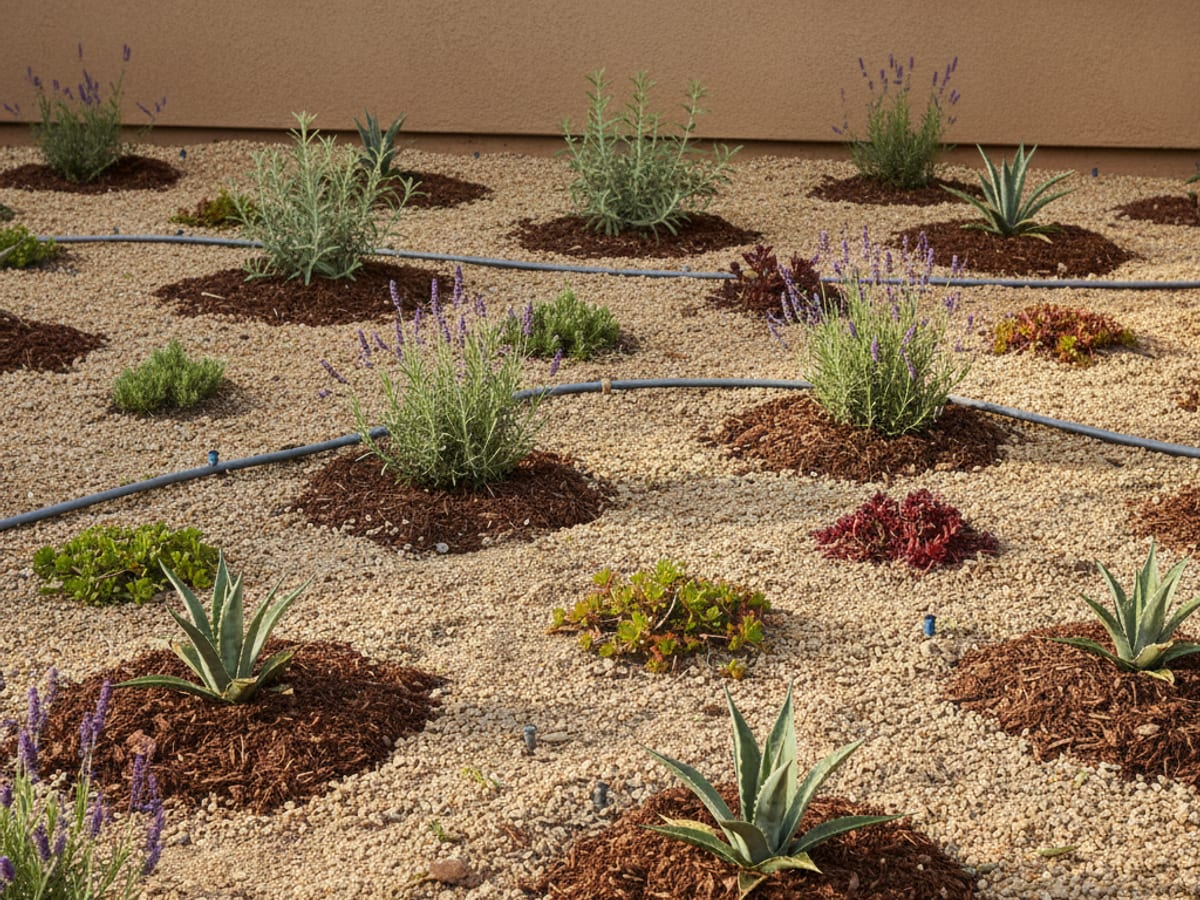
What you'll learn
- How to select plants for your coastal or inland conditions
- Spacing at mature size (not nursery-pot size)
- When the chosen plants need drainage work or soil amendments
- Drip irrigation vs. hand-watering decision
- How to adjust establishment watering by plant and soil moisture
Plant roles, not a one-list palette
A drought-tolerant bed is broader than a succulent bed. Plants that all count as low-water can still fail together if they need different drainage, salt exposure, or mature space. Use a local palette lookup such as the San Diego County Water Authority conservation resources and species pages on CNPS watering guidance, then fill this worksheet before buying.
| Role | Site check | Lookup |
|---|---|---|
| Tree | Mature canopy over paths, utilities, and Zone 0 if fire rules apply | Mature height/width on the cultivar sheet |
| Shrub | Coastal salt vs inland heat; hydrozone with neighbors | Water-use group and spacing |
| Groundcover | Foot traffic, slope, and whether it must stay clear of trunks | Spread at maturity, not pot size |
| Succulent | Drainage and winter wet; spines near kids, pets, or paths | Cold and soil notes for the exact species |
Step by step
- If replacing turf under a rebate, obtain approval before removing it. Mark irrigation and utilities, then remove unwanted vegetation without disturbing roots of plants you are keeping.
- Check drainage and choose plants suited to the existing soil. Do not add compost or till automatically; follow species-specific planting guidance, especially for California natives.
- Lay out plants at their mature spacing before digging. Keep spiny plants away from paths and match each plant to its sun exposure and water needs.
- Plan irrigation by water-use group. Select emitter placement and flow for the soil and root area, with room to move or add emitters as plants grow.
- Select mulch for the plants, site, and any rebate or fire requirements. Leave stems and root crowns uncovered and keep organic mulch at least 6 inches from tree trunks.
- Water after planting, then check the root ball and surrounding soil before watering again. Keep young plants adequately moist without saturation; taper irrigation as they establish according to the species, season, and soil.
A nursery pot size does not tell you the mature plant size. Check the exact species or cultivar, and leave its required room even when a new bed looks sparse.
Further guidance
Bring a plant and irrigation sketch
List sun, drainage, mature spacing, and whether a turf-rebate reservation is already approved. A matched designer or planting crew can quote against that worksheet.
Keep learning.
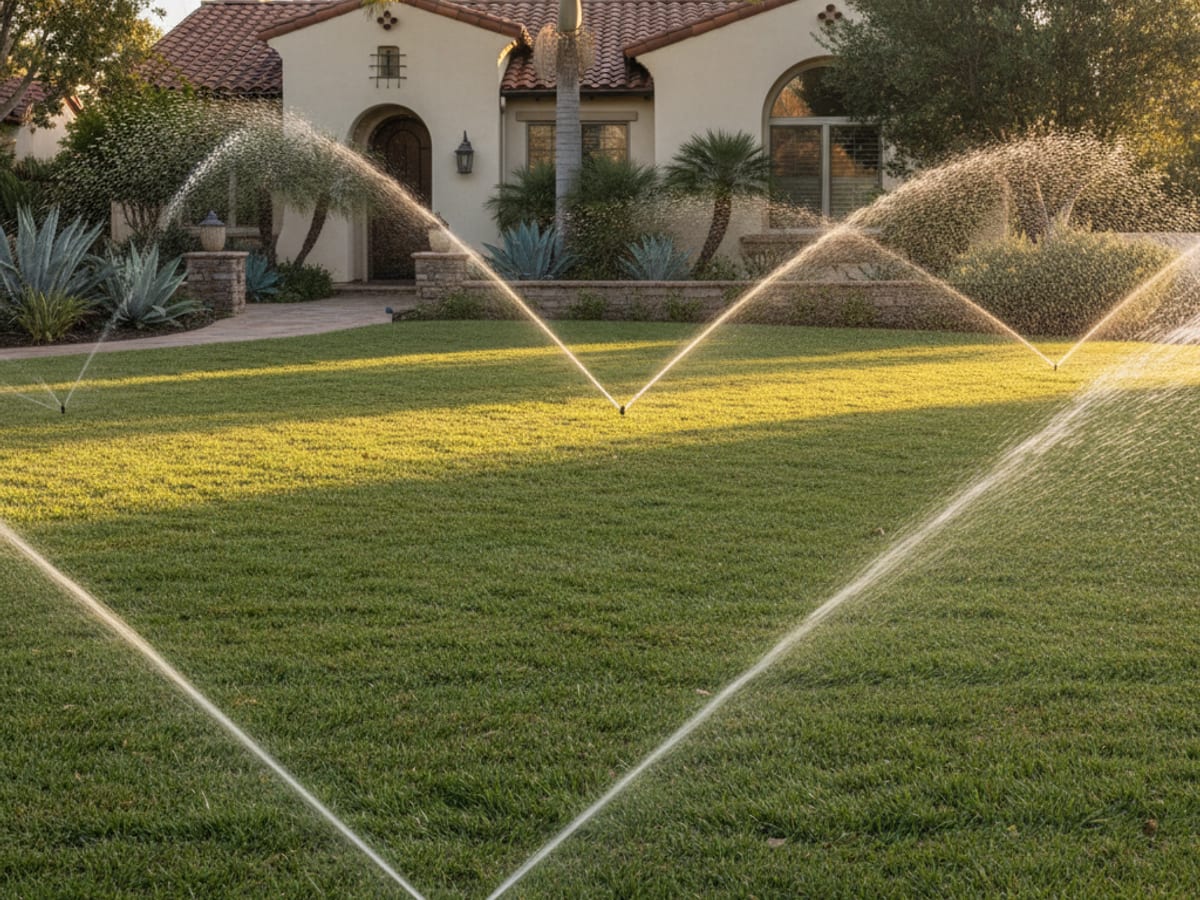
How to water your SD lawn the right way
Established lawns generally benefit from deep watering with time between sessions. Set the schedule for your grass, soil, weather, and sprinkler output.
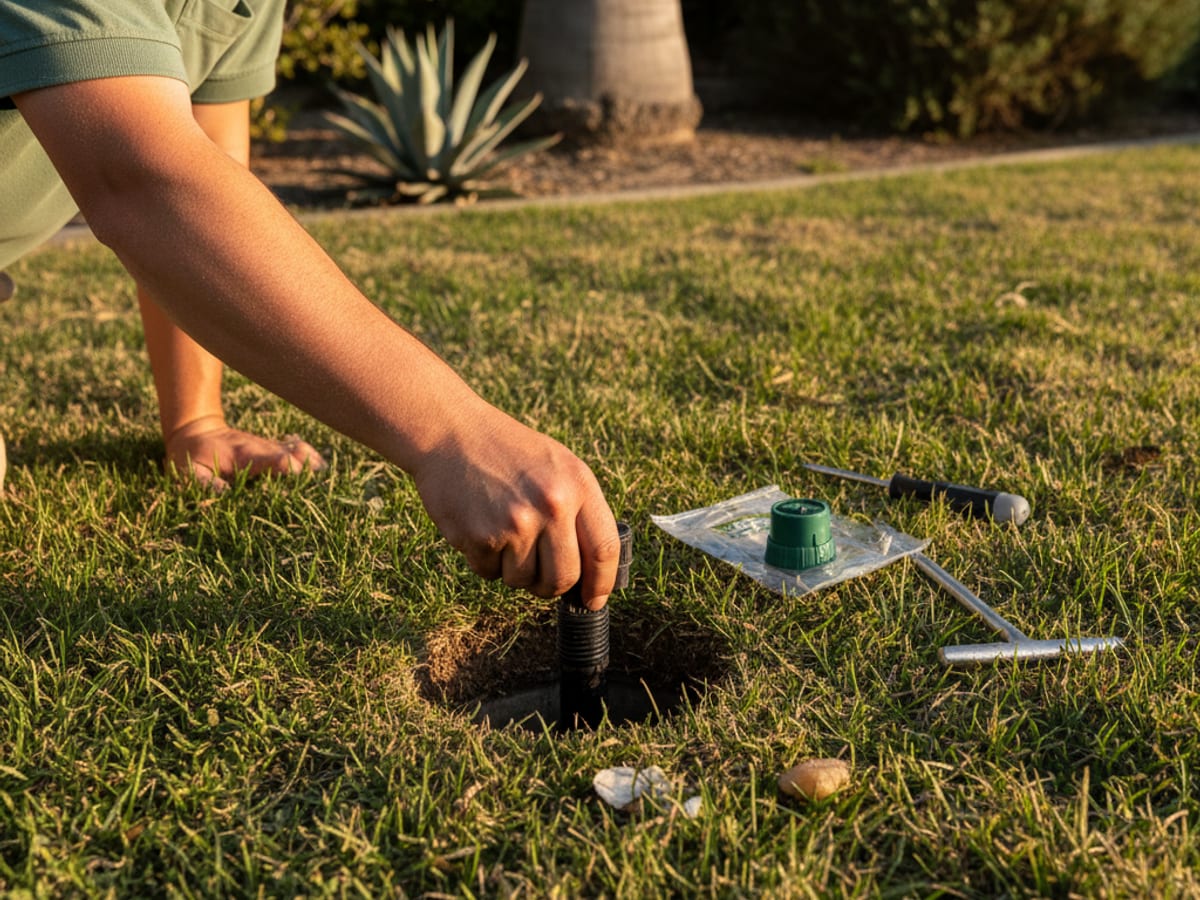
How to fix a broken sprinkler head
An accessible broken pop-up head can be a DIY repair. Identify the damaged part and match its connection, height, pressure requirements, and spray coverage.
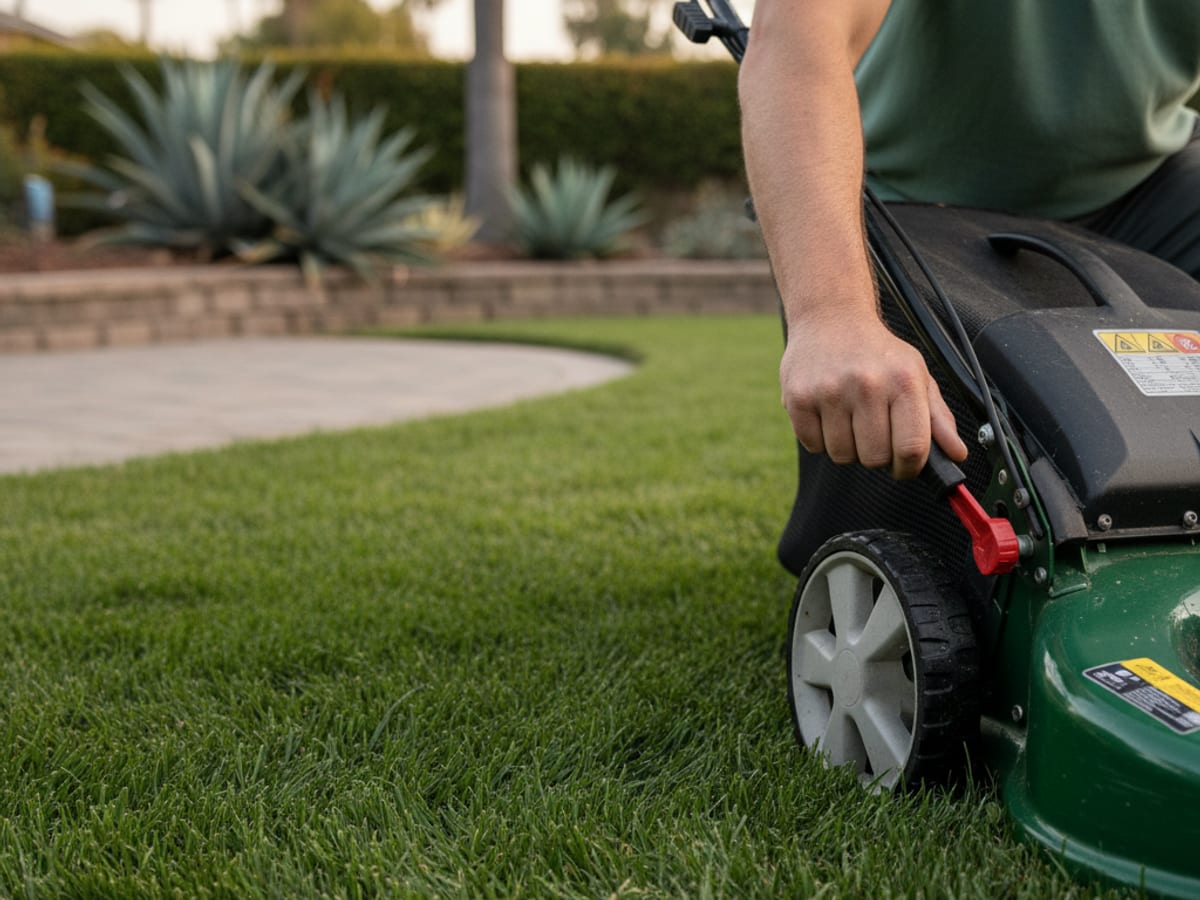
How to set the right mowing height
Set mowing height for your grass species and cultivar. Cutting too low or removing too much growth at once can thin the lawn and slow recovery.