How to set the right mowing height
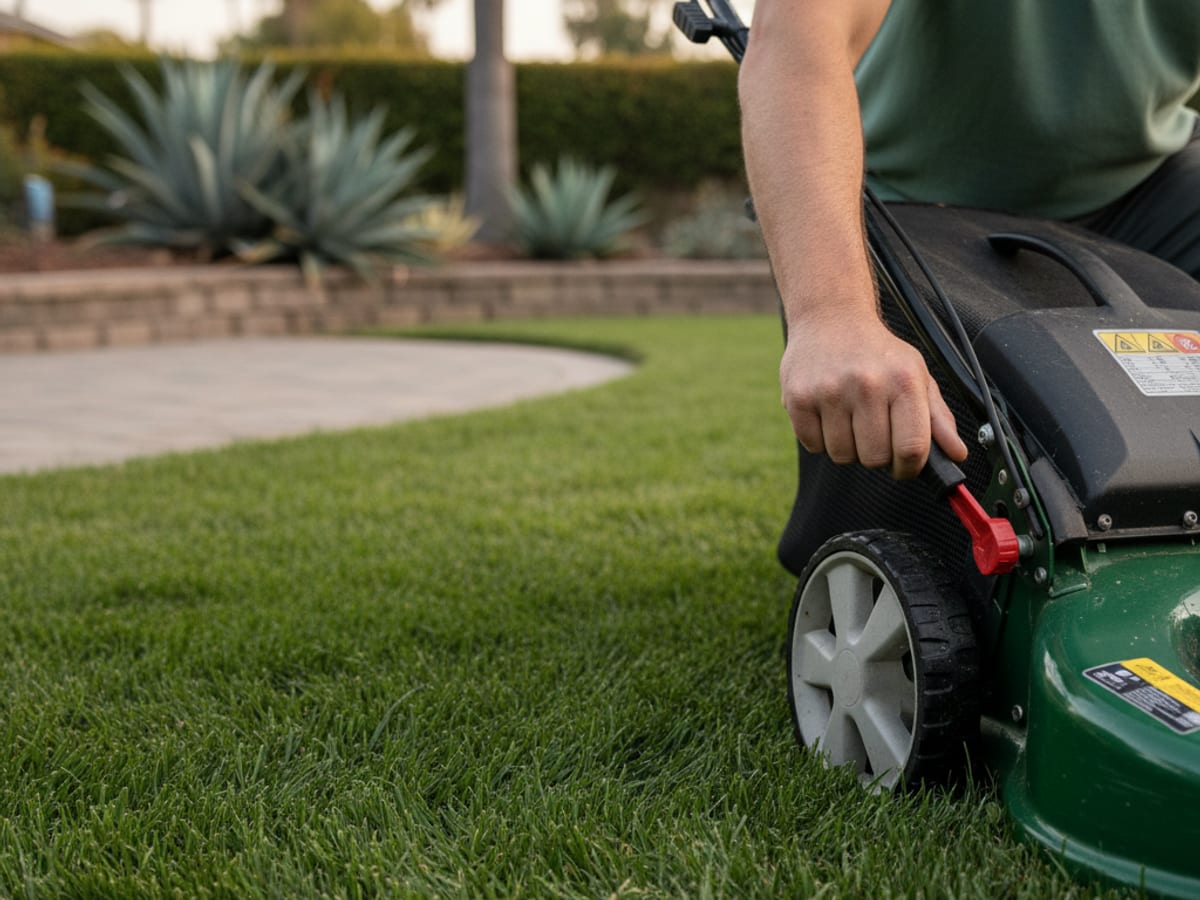
Set mowing height for your grass species and cultivar. Cutting too low or removing too much growth at once can thin the lawn and slow recovery.
What you'll learn
- How to find the recommended mowing range for your grass
- The one-third rule and how it protects remaining leaf area
- Why sharp blades matter more than mower brand
- How growth rate changes mowing frequency through the year
Mowing height starting points
UC IPM gives these general ranges for established lawns. Confirm the range for your exact cultivar and mower, and use the higher end where the growing conditions call for it.
| Grass | Cut height |
|---|---|
| Tall fescue | 1½–3 inches |
| Seeded Bermuda | 1–1½ inches |
| Hybrid Bermuda | ½–1 inch |
| Kikuyu | 1–1½ inches |
| St. Augustine | 1–2 inches |
| Zoysia | ½–1 inch |
Sources: UC IPM cool-season grasses and warm-season grasses. If your lawn is much taller now, lower it over successive cuts using the one-third rule below.
Mow-again threshold (one-third rule): if the target cut is 3 inches, mow by about 4.5 inches. Confirm the deck height with a tape on a flat surface after disconnecting power; the printed lever setting is not a measurement.
Step by step
- Identify your grass type (Bermuda, St. Augustine, Zoysia, or Fescue).
- Check the recommended range for your species and cultivar, then measure the actual cut height rather than relying only on the deck setting.
- Remove no more than one-third of the standing grass height at a time. For a 3-inch target, mow by about 4.5 inches. Bring an overgrown lawn down gradually over successive cuts.
- Alternate mowing direction each week to prevent ruts and ridges.
- Inspect cut leaf tips for tearing and keep blades sharp according to the mower instructions. Disconnect power before inspecting or servicing blades.
A low setting suitable for one grass can scalp another. Avoid sudden height reductions, especially when the lawn is stressed.
Further guidance
Need a mowing-height check?
Identify the grass, measure standing height, and note whether the lawn is overgrown. A matched lawn-care pro can quote a gradual correction instead of a one-cut scalp.
Keep learning.

How to water your SD lawn the right way
Established lawns generally benefit from deep watering with time between sessions. Set the schedule for your grass, soil, weather, and sprinkler output.
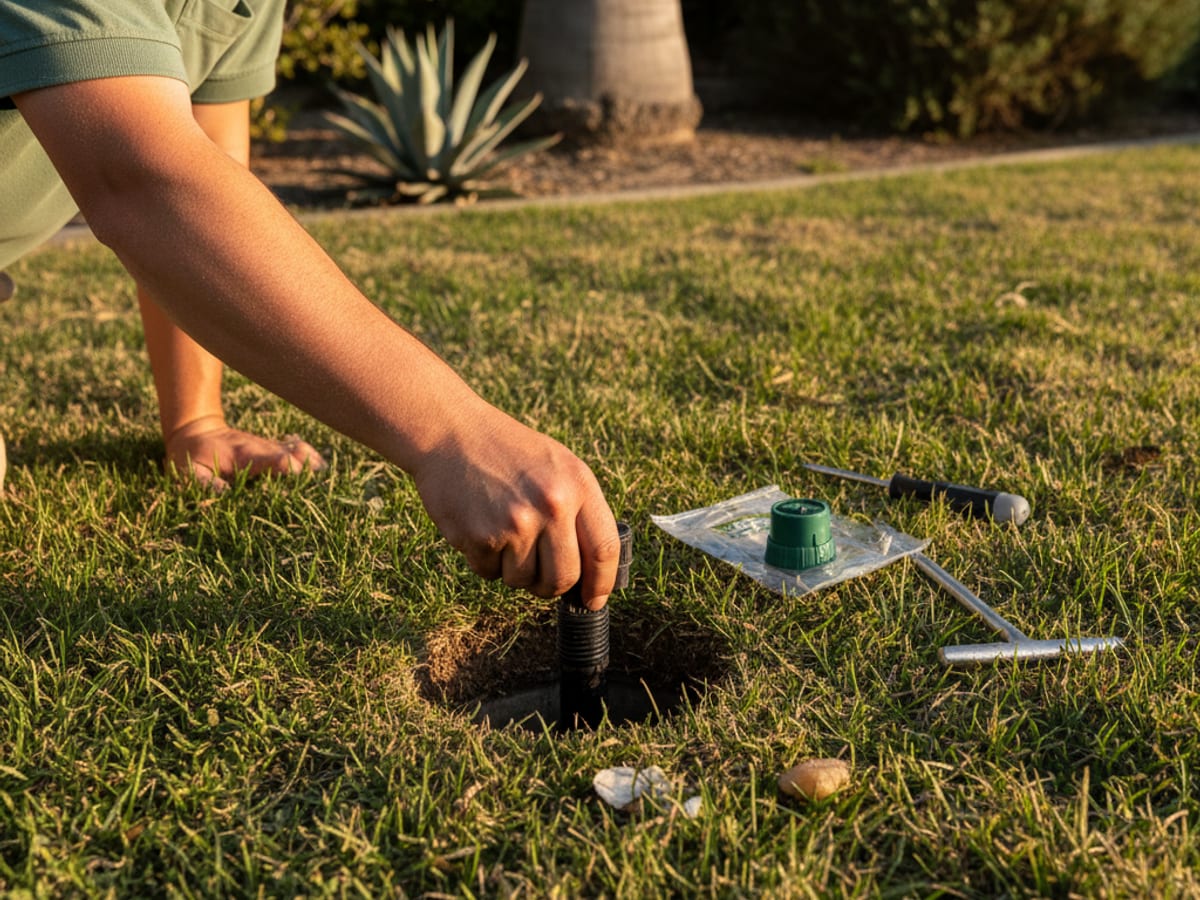
How to fix a broken sprinkler head
An accessible broken pop-up head can be a DIY repair. Identify the damaged part and match its connection, height, pressure requirements, and spray coverage.
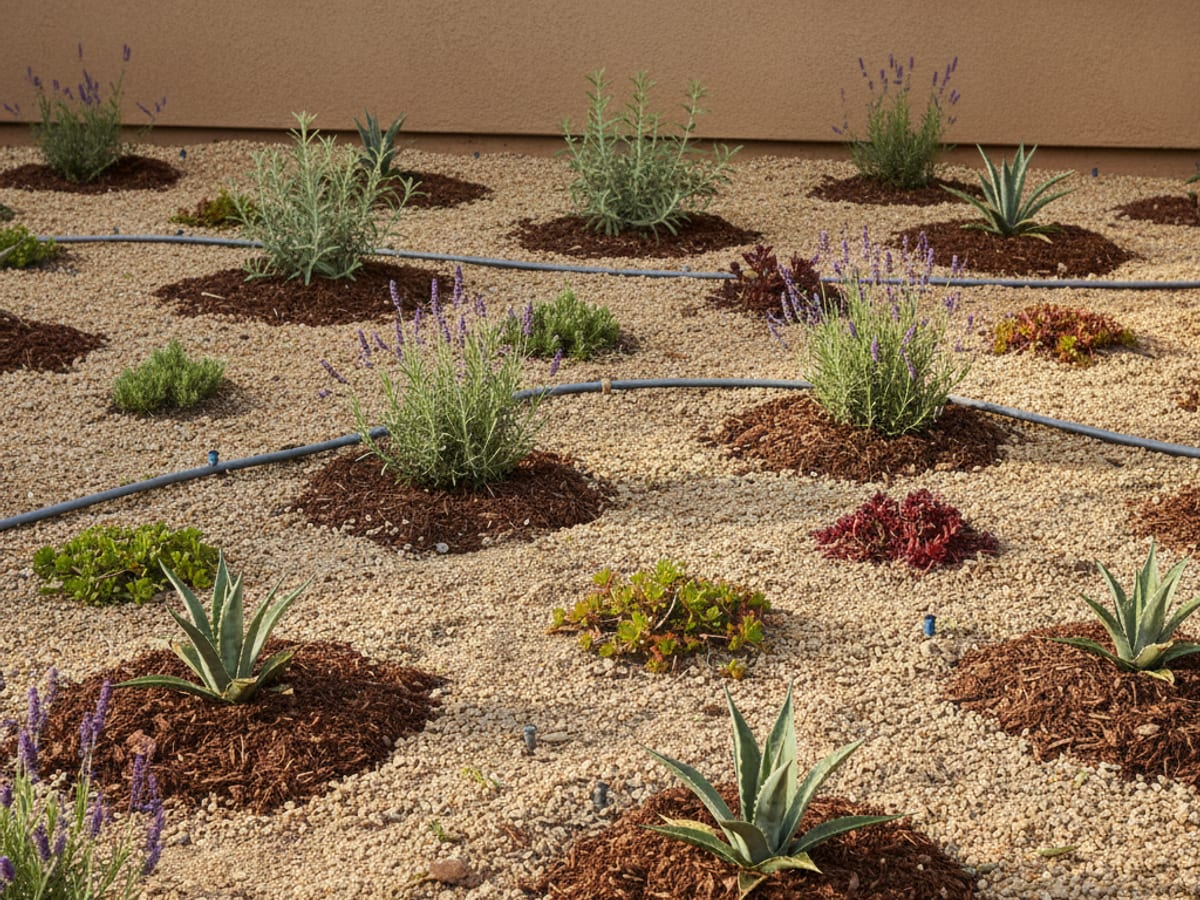
How to plant a drought-tolerant bed
Plan a drought-tolerant bed around the sun, soil drainage, and mature size of the plants. Site preparation and establishment watering matter as much as the plant list.