How to fix a broken sprinkler head
An accessible broken pop-up head can be a DIY repair. Identify the damaged part and match its connection, height, pressure requirements, and spray coverage.
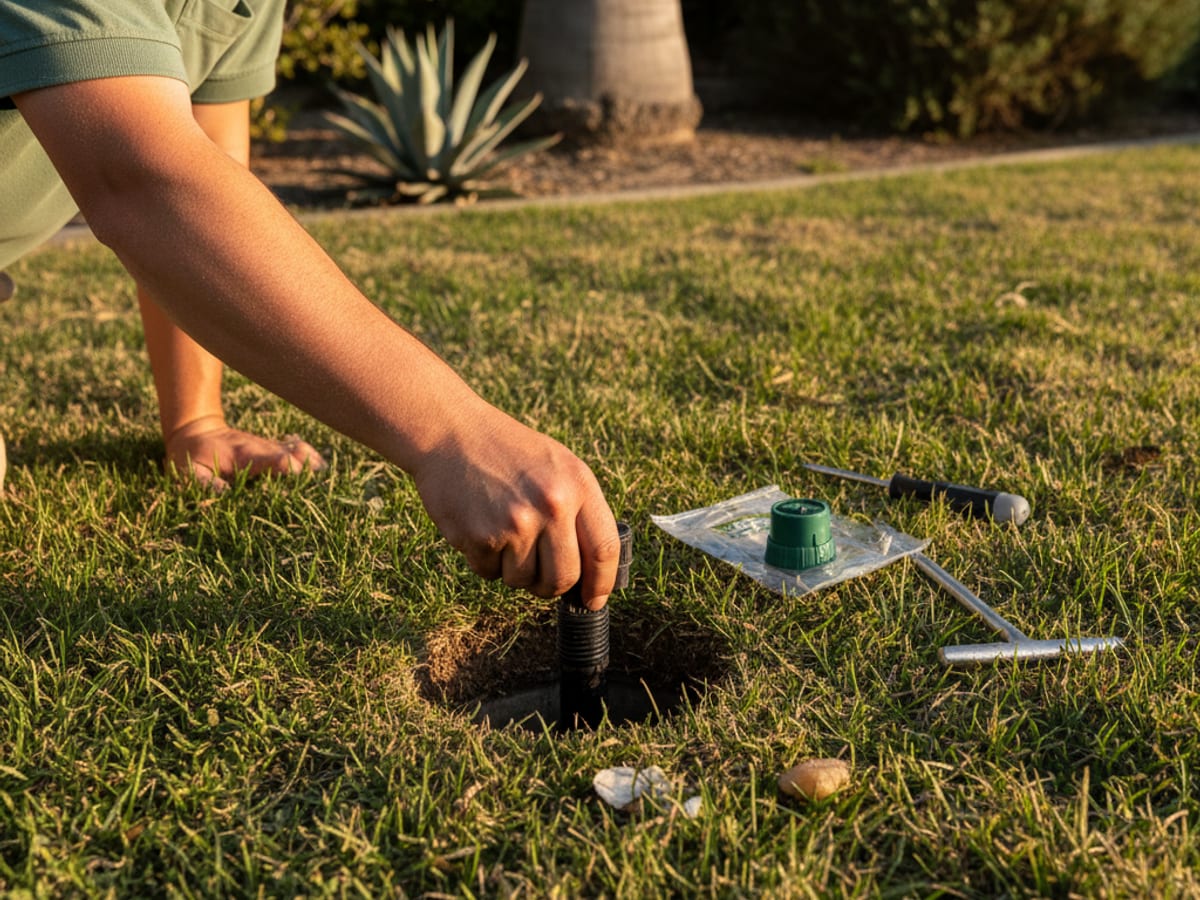
What you'll learn
- When to replace just the nozzle vs. the whole pop-up body
- How to match precipitation rate to the rest of the zone
- Why matched precipitation matters for even coverage
- How to choose tools and replacement parts using the instructions for your sprinkler model
Step by step
- Triage before replacement: clean a clogged nozzle or filter, tighten a loose cap, and reset arc if the head still pops and sprays. Replace the body when it is cracked, stuck, leaking at the seal, or will not match the zone precipitation rate.
- Photograph the old head and carry it when buying a replacement so connection, height, and nozzle type match the rest of the zone.
- Disable scheduled irrigation and turn off the water supply to the affected section before removing parts.
- Expose the body carefully, keeping soil out of the connection. Unscrew the damaged body without twisting or breaking the riser; stop if the fitting is cracked or inaccessible.
- Match the inlet connection and pop-up height, then select a compatible nozzle with the correct radius, arc, pressure, and precipitation rate for the zone.
- Install the replacement body to its manufacturer instructions. Avoid overtightening plastic threads and set the top level with the finished soil.
- Use the specified flush plug to clear debris before fitting the nozzle. Shut the zone off, fit the nozzle, then run a test and adjust its direction and arc. Check for leaks and sidewalk overspray.
Several weak or leaking heads can point to pressure, debris, a valve fault, or a pipe leak. Diagnose the zone before replacing more parts.
Further guidance
Bring the old part to a quote
Photograph the head, note the inlet size and pop-up height, and list every weak or leaking head on the same zone. A matched pro can diagnose the zone before replacing more parts.
Keep learning.
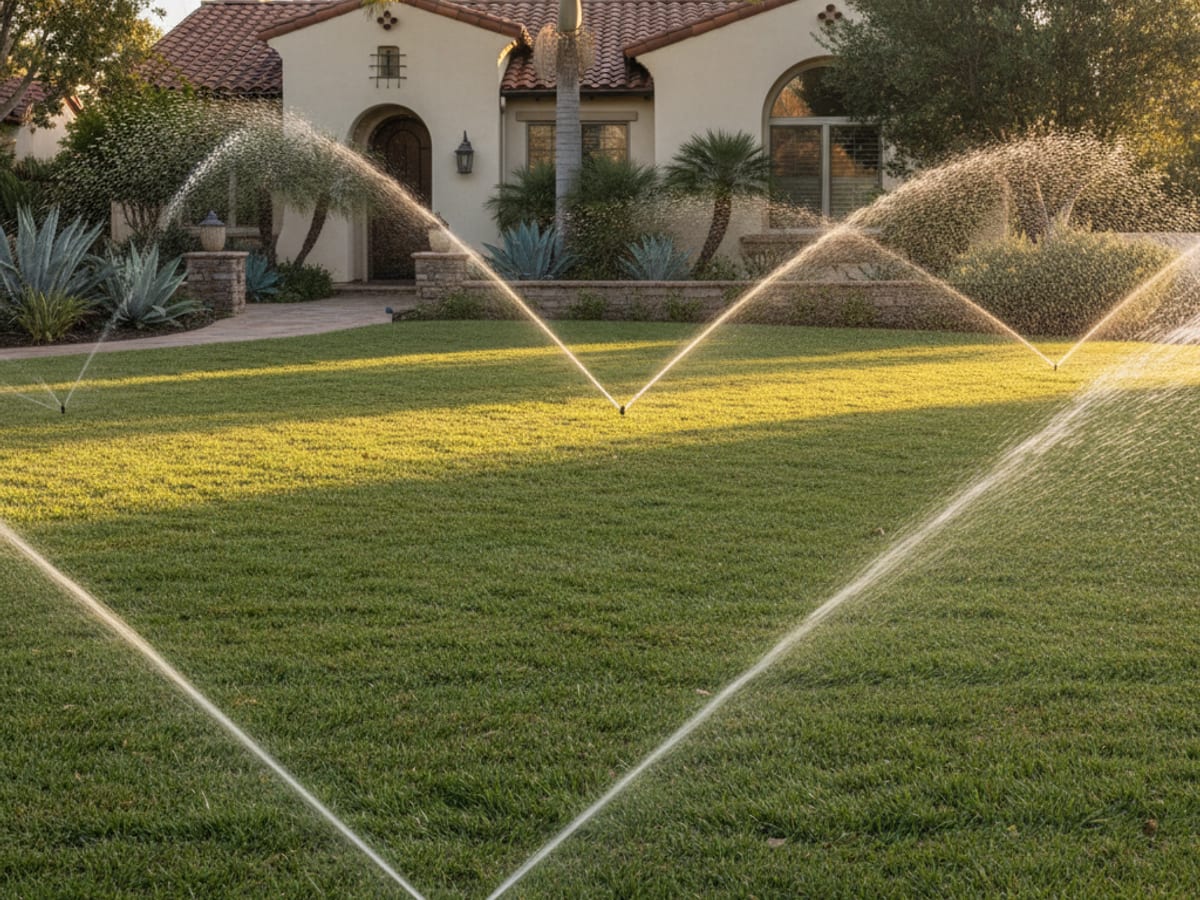
How to water your SD lawn the right way
Established lawns generally benefit from deep watering with time between sessions. Set the schedule for your grass, soil, weather, and sprinkler output.
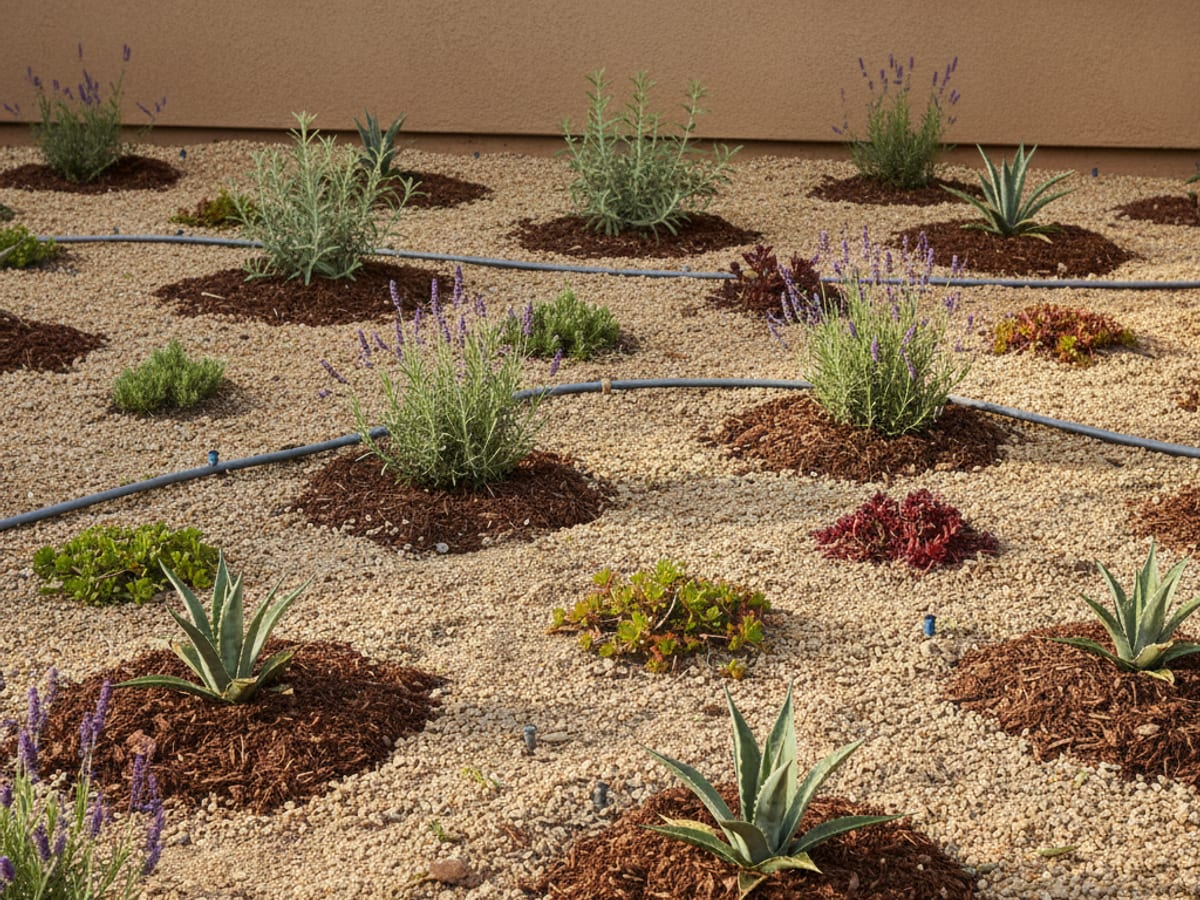
How to plant a drought-tolerant bed
Plan a drought-tolerant bed around the sun, soil drainage, and mature size of the plants. Site preparation and establishment watering matter as much as the plant list.
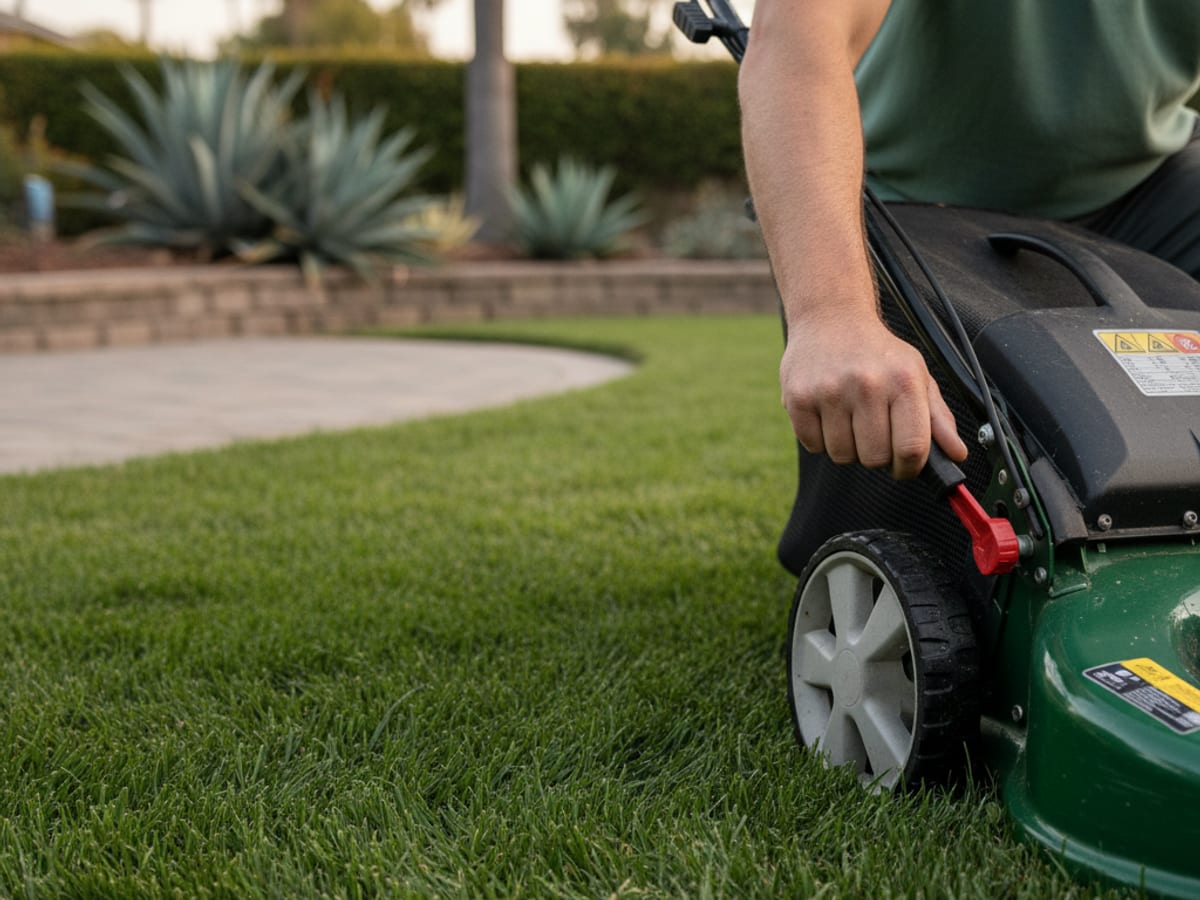
How to set the right mowing height
Set mowing height for your grass species and cultivar. Cutting too low or removing too much growth at once can thin the lawn and slow recovery.