How to mulch garden beds the right way
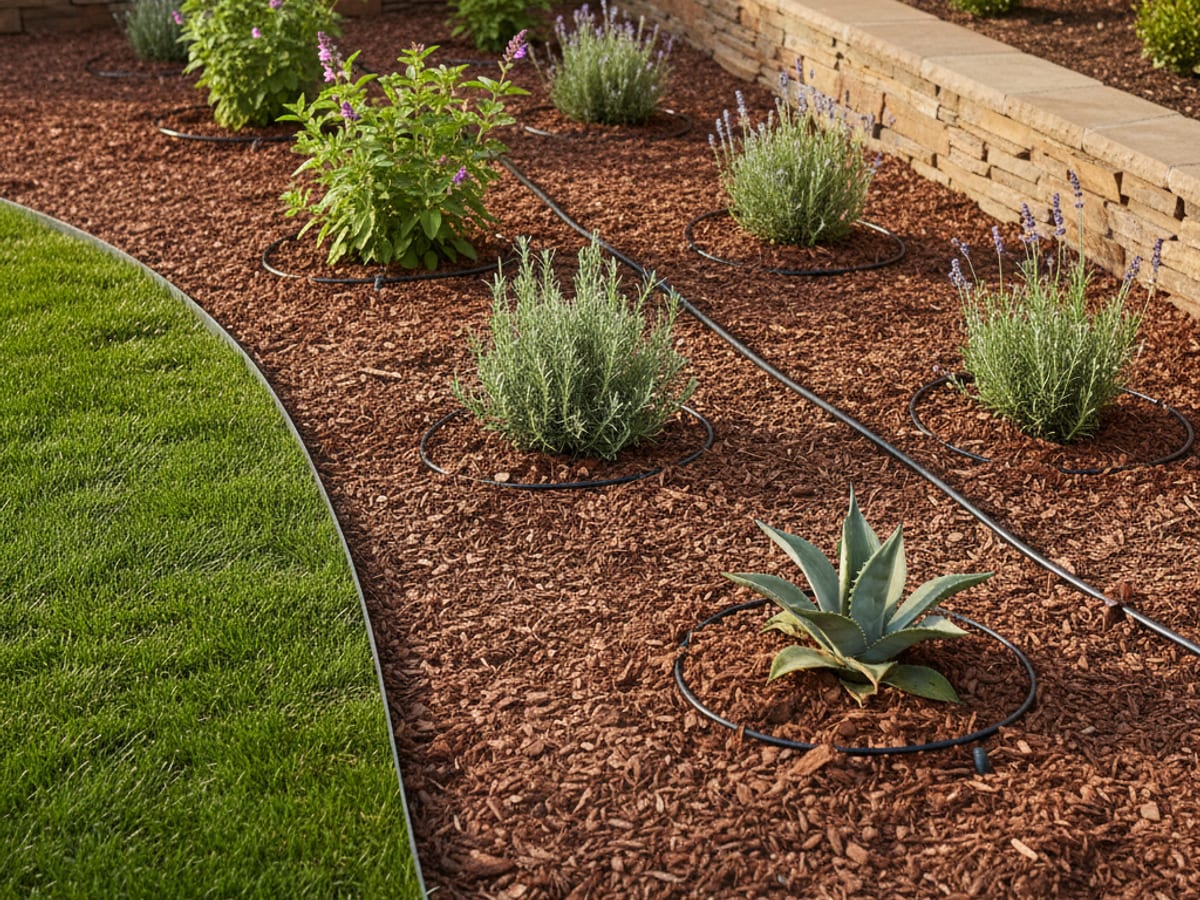
Mulch can conserve soil moisture and suppress annual weeds. Choose the material and depth for your bed, and keep it away from plant crowns and trunks.
What you'll learn
- How to choose depth for the material and account for mulch already present
- Why mulch should not pile against trunks
- When weed fabric helps vs. when it hurts
- Bark vs. gravel vs. decomposed granite, when to use each
How much mulch to order
Measure the bed, then subtract mulch already present. Cubic yards to add = square feet × added depth in inches ÷ 324. Example: 324 square feet at 3 added inches is 3 cubic yards. Fine organic mulch is often kept shallower than coarse chips; stone depth is a design choice, not a soil-building layer.
| Material | Typical use | Watch-outs |
|---|---|---|
| Bark or wood chips | Beds where you want organic matter to break down | Keep at least 6 inches from tree trunks; do not bury crowns |
| Leaves, clippings, compost | Where a thinner, faster-decomposing cover is acceptable | Avoid thick wet mats; sour-smelling mulch should be removed |
| Stone or gravel | Where organic cover is a poor fit or fire guidance limits organics near structures | Does not feed soil; fabric under stone complicates later planting |
Organic mulch over landscape fabric can lose the soil-building benefit of decomposition. Check applicable fire guidance near buildings instead of using one universal spacing rule.
Step by step
- Remove weeds and address perennial roots before covering the bed. Check drainage and irrigation first.
- Choose bark or wood mulch for a decomposing organic cover, or stone where appropriate. Permeable landscape fabric can separate stone from soil; consider future planting and maintenance before installing it.
- Measure the mulch already present, then add only enough to reach the recommended depth for the material. Follow any applicable rebate or fire requirements.
- Leave stems and root crowns clear. Keep organic mulch at least 6 inches from tree trunks; do not cover exposed trunk flares.
- Check that irrigation still reaches the soil, then monitor soil moisture before changing the watering schedule. Pull new weeds before they establish.
Organic mulch decomposes and needs replenishing; stone does not improve soil organic matter. Choose the material for the plants and location, including fire guidance near buildings.
Further guidance
Need a mulch quantity quote?
Measure bed square footage, current depth, and the added depth you want. A matched mulching pro can quote delivery, edging, and disposal against those numbers.
Keep learning.
How to water your SD lawn the right way
Established lawns generally benefit from deep watering with time between sessions. Set the schedule for your grass, soil, weather, and sprinkler output.
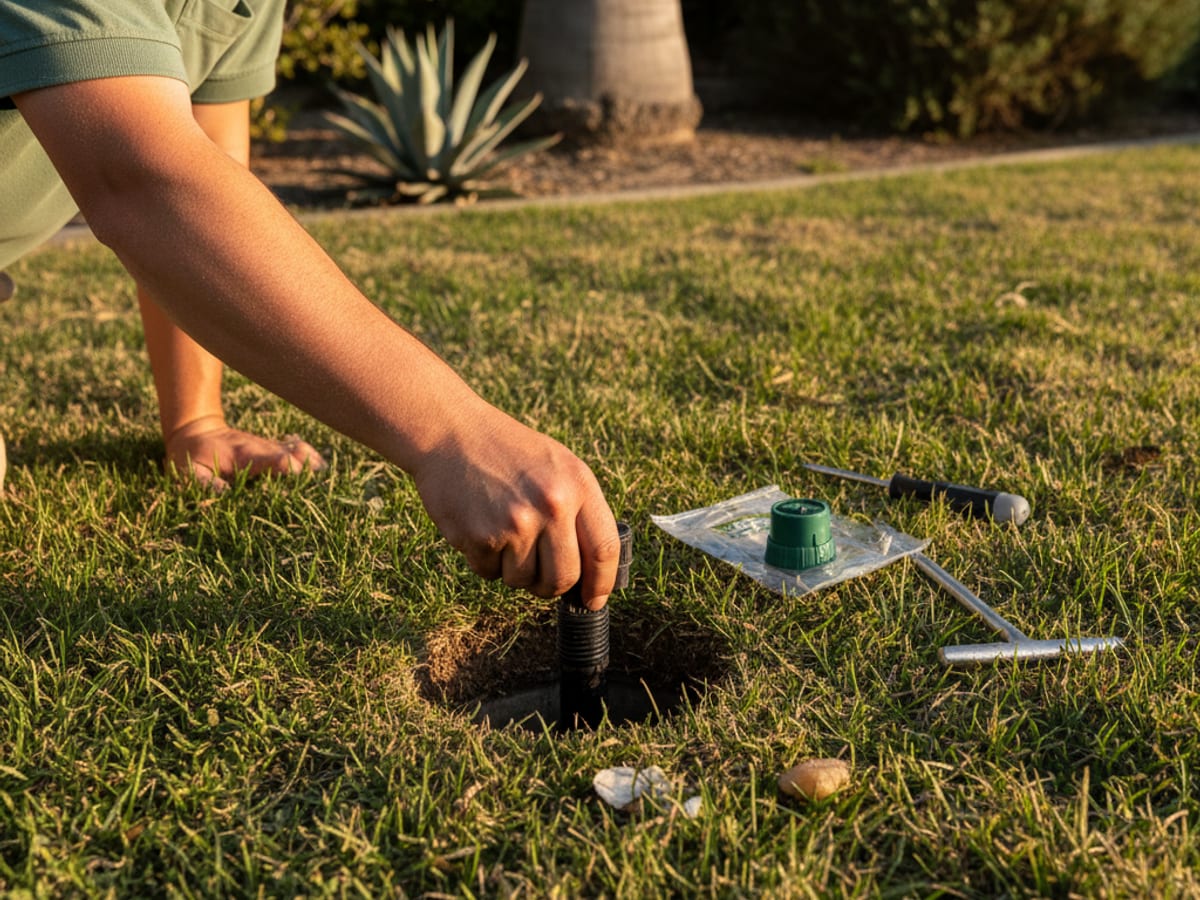
How to fix a broken sprinkler head
An accessible broken pop-up head can be a DIY repair. Identify the damaged part and match its connection, height, pressure requirements, and spray coverage.
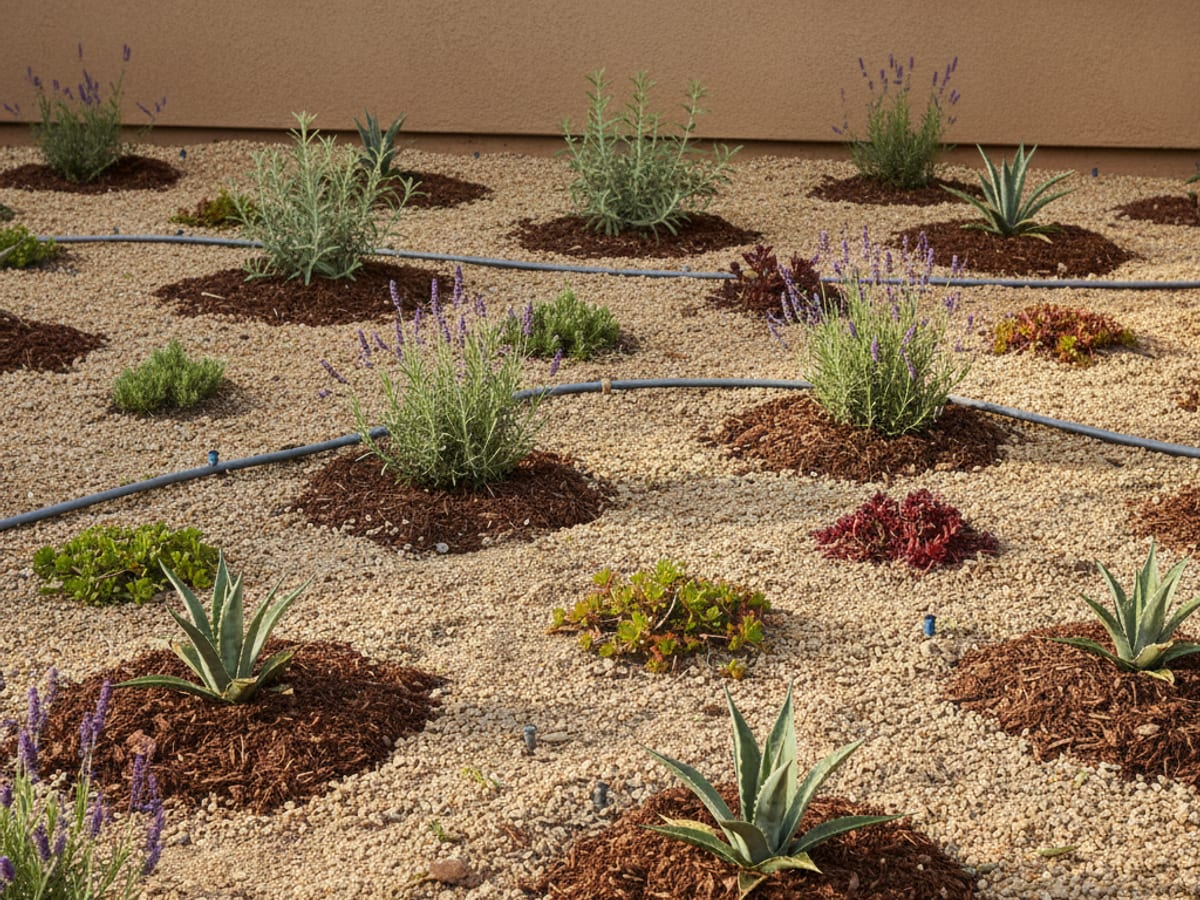
How to plant a drought-tolerant bed
Plan a drought-tolerant bed around the sun, soil drainage, and mature size of the plants. Site preparation and establishment watering matter as much as the plant list.