Lawn care in Imperial Beach is quoted after a walkthrough. Salt spray from the Pacific and naturally sandy soil mean IB yards need a different routine than yards a few miles inland. Call (760) 400-6355 to get matched. The independent professional quotes the work.
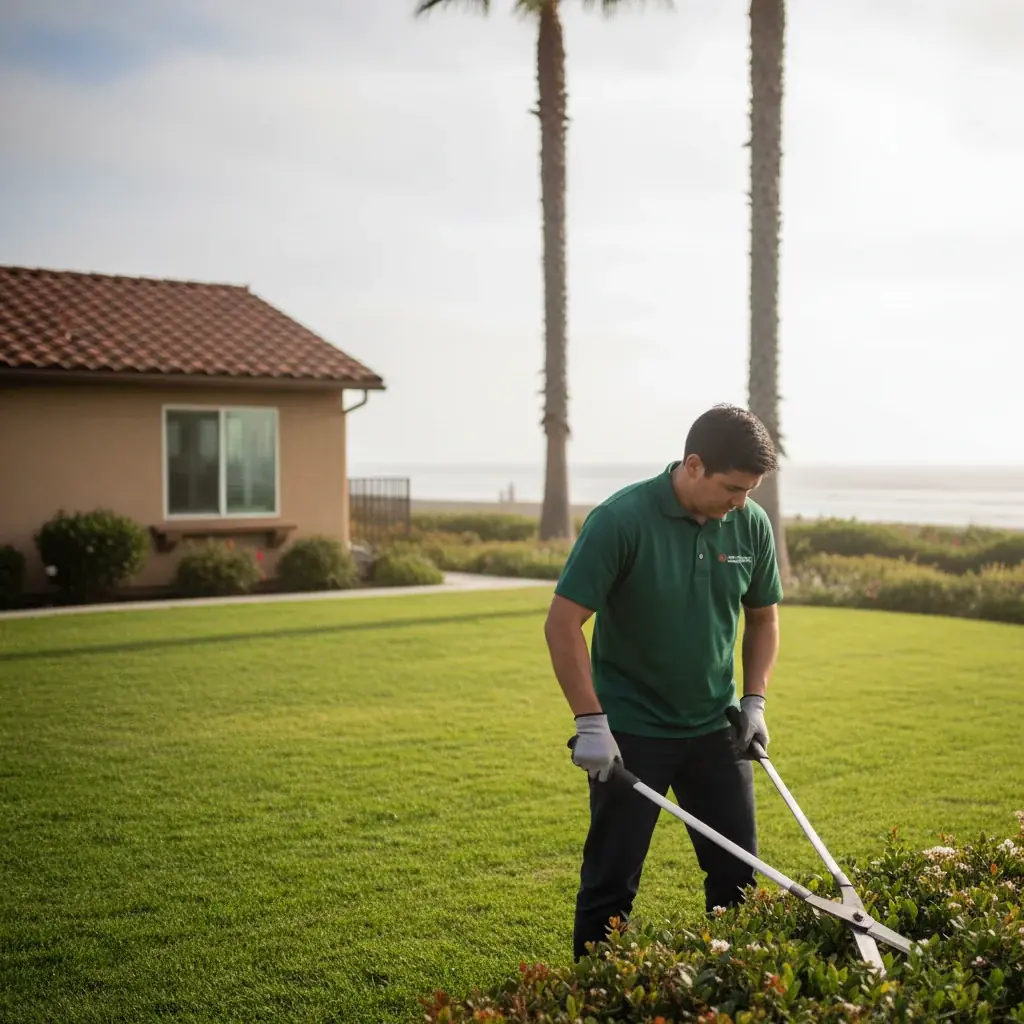
Lawn service pricing in Imperial Beach
There is no Imperial Beach rate sheet on this page. Larger yards, steep slopes, or heavy weed pressure take more time. Ask for a written quote.
Pricing is set by the independent contractor after a walkthrough. Bloom Pro SD does not publish local rate sheets. Ask for a written scope that names turf area, visit frequency, slope, access, and which add-ons are included.
| Quote field | Why it changes the number |
|---|---|
| Measured turf and bed area | Sets mow and trim time |
| Weekly vs bi-weekly | Changes monthly total and how tall the grass is at each visit |
| Slope, gates, and obstacles | Adds labor beyond a flat rectangle |
| Edging, string trim, blow-off, haul-off | Often the difference between two similar totals |
| Fertilization, aeration, weed control | Separate programs, not a free weekly extra |
| Irrigation diagnosis | Broken heads and coverage gaps are extra work |
For county-wide comparison questions, see our lawn care cost guide. A neglected lawn may need a separate cleanup before it goes on a route.
Weekly service is the better choice for most IB yards during the warm growing season (April through October), when coastal grasses actively grow and weed pressure picks up. Biweekly works well from November through March when growth slows. See our breakdown of weekly vs. biweekly lawn service in San Diego for a full comparison.
Why Imperial Beach lawns need a different approach
Yards in Chula Vista or El Cajon deal with heat and water costs. In Imperial Beach, you add salt aerosol from the Pacific on top of those challenges.
Salt spray coats grass blades and settles into the soil. On the plant itself, it burns the leaves, turning them brown and brittle. In the soil, salt buildup makes it harder for roots to absorb water and nutrients, essentially tricking the grass into thinking it’s in drought even when the ground is moist. Periodic deep watering flushes accumulated salts below the root zone, this is one maintenance step you can’t skip near the coast.
IB soil is predominantly sandy, which drains fast (good after heavy rain) but struggles to hold water or nutrients. When you fertilize, much of it can wash through before the roots can use it. Slow-release granular fertilizer counteracts this, it feeds the lawn over several weeks instead of one concentrated dose that leaches away.
The persistent marine layer and coastal wind add one more layer. Damp air combined with poor watering timing can trigger fungal diseases like dollar spot or rust. The wind speeds up soil evaporation and physically stresses the grass blades.
Best grass types for coastal Imperial Beach yards
You can’t fight the coast, so you choose grass that works with it. Here are the top options for 91932 lots, ranked by salt tolerance.
Seashore Paspalum is the gold standard for coastal lawns. It tolerates brackish water and has the highest salt resistance of any common turfgrass. It’s used on seaside golf courses and holds up to foot traffic well.
St. Augustine is the most popular choice in IB. It spreads via above-ground runners, fills in bare spots quickly, and has excellent salt tolerance. It prefers full sun and creates a dense, coarse-textured lawn.
Zoysia grows more slowly, which means less mowing, and its deep root system makes it drought-tolerant once established. Salt tolerance is good, though not as high as Paspalum or St. Augustine. It takes longer to recover from damage.
Tall Fescue blends (select cultivars) stay green year-round and offer a finer texture, but require more active management in a coastal setting. Newer cultivars have improved salinity resistance, but they’re the highest-maintenance option on this list.
Our guide to best grass types for San Diego lawns goes deeper on each variety if you’re deciding what to plant or overseed.
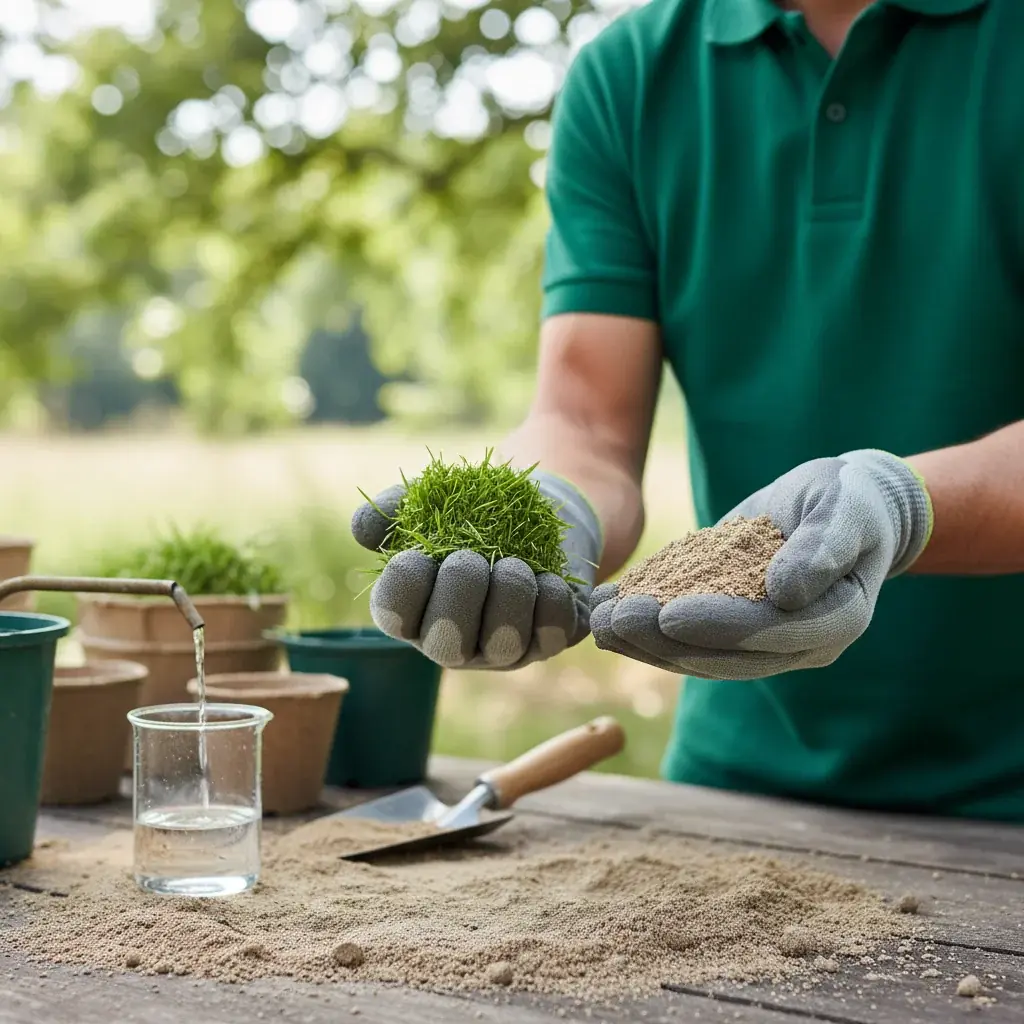
The right lawn maintenance routine for IB yards
Coastal lawn care isn’t just mowing, it’s a routine built around counteracting salt and sandy soil. A referred lawn maintenance professional should write the salt-and-sand adjustments for the IB lot.
Mowing height. Keep grass slightly taller, around 3 to 4 inches. Taller blades shade the soil, slow evaporation, and encourage deeper root growth, critical for finding water in sandy ground.
Watering schedule. Deep and infrequent beats shallow and daily. Water for a longer period once or twice a week to push moisture past the top layer of sand and encourage roots to grow downward. This also flushes accumulated salts below the root zone.
Fertilization. Use slow-release granular formulas with a good potassium ratio. Potassium helps grass manage stress from salt, heat, and wind. Apply every 6–8 weeks during the growing season rather than one heavy dose.
Aeration. Core aeration pulls plugs from the lawn, reduces compaction, and improves how water and nutrients penetrate. For sandy IB soil, it’s one of the highest-impact things you can do, once per year in the fall or early spring is usually enough.
Salt flushing. After periods of high wind or sea spray, a thorough, slow watering session pushes salt ions below the root zone. This is especially important during the summer when warm offshore winds carry heavier salt loads.
Explore the Imperial Beach landscaping service hub for referred-pro scopes serving the 91932 area.
Frequently asked questions
How much does lawn care cost in Imperial Beach?
There is no reliable Imperial Beach average. Recurring service is quoted after the contractor measures turf area and lists what each visit includes. One-time cleanups are a separate bid. The main factors are lot size, service frequency, and whether add-ons like fertilization or weed control are included. Call (760) 400-6355 to get matched. The independent professional quotes the work.
What is the best grass for a coastal Imperial Beach yard?
Seashore Paspalum and St. Augustine are the top choices for IB lots. Both have high salt tolerance and handle sandy soil well. Seashore Paspalum can even be irrigated with brackish water. Zoysia is a good option if you want less frequent mowing. Tall Fescue blends work but require more management in a coastal environment.
How often should I mow near the coast in Imperial Beach?
Weekly mowing is best from April through October when coastal grasses grow actively. Biweekly is fine from November through March. IB’s mild, year-round climate means there’s no true dormancy period, lawns keep growing even in winter, just more slowly. Letting grass grow too long between cuts stresses it and makes recovery harder.
Do you offer one-time lawn cleanups in Imperial Beach?
Independent contractors in our network quote one-time cleanups from yard size and how overgrown it is. They’re a good option before listing a home, after a stretch of neglect, or as a starting point before setting up recurring service.
Is biweekly lawn service enough for an Imperial Beach yard?
It depends on the season. During the warm growing months (roughly April through October), most IB lawns need weekly service to stay healthy and tidy. Biweekly is usually fine from November through March when growth slows. The coastal climate means growth never completely stops, so the right frequency shifts with the season rather than staying fixed year-round.
Why does my Imperial Beach lawn keep turning brown even with regular watering?
Salt accumulation is the most common cause. Salt from ocean spray builds up in the soil and blocks grass roots from absorbing water and nutrients, causing the lawn to look drought-stressed even when it’s being watered. The fix is deep, slow watering sessions that flush salt below the root zone, combined with a soil amendment schedule. If the problem persists, a lawn assessment can identify whether salt, soil compaction, or a fungal issue is the primary driver.
When to call us
If your Imperial Beach lawn is losing the battle against salt and sandy soil, call to get matched. The independent professional quotes coast-aware care for the 91932 lot.
Call (760) 400-6355 to get matched. The independent professional quotes the work.